Let’s picture a familiar situation. Someone starts noticing that the TV has somehow become “quieter,” people around them are “always mumbling,” and the word “What?” sneaks into conversations more and more often. The thought of a hearing aid comes up… and is immediately pushed aside. Because questions pop up right away:
Do I really need a test?
Can I just buy a device and be done with it?
What if they make me see ten different doctors, fill out piles of paperwork, and spend a small fortune?
In Canada, this question comes up especially often – and the answer isn’t as simple as a straight “yes” or “no.”
Short answer: yes, you can… but there are nuances
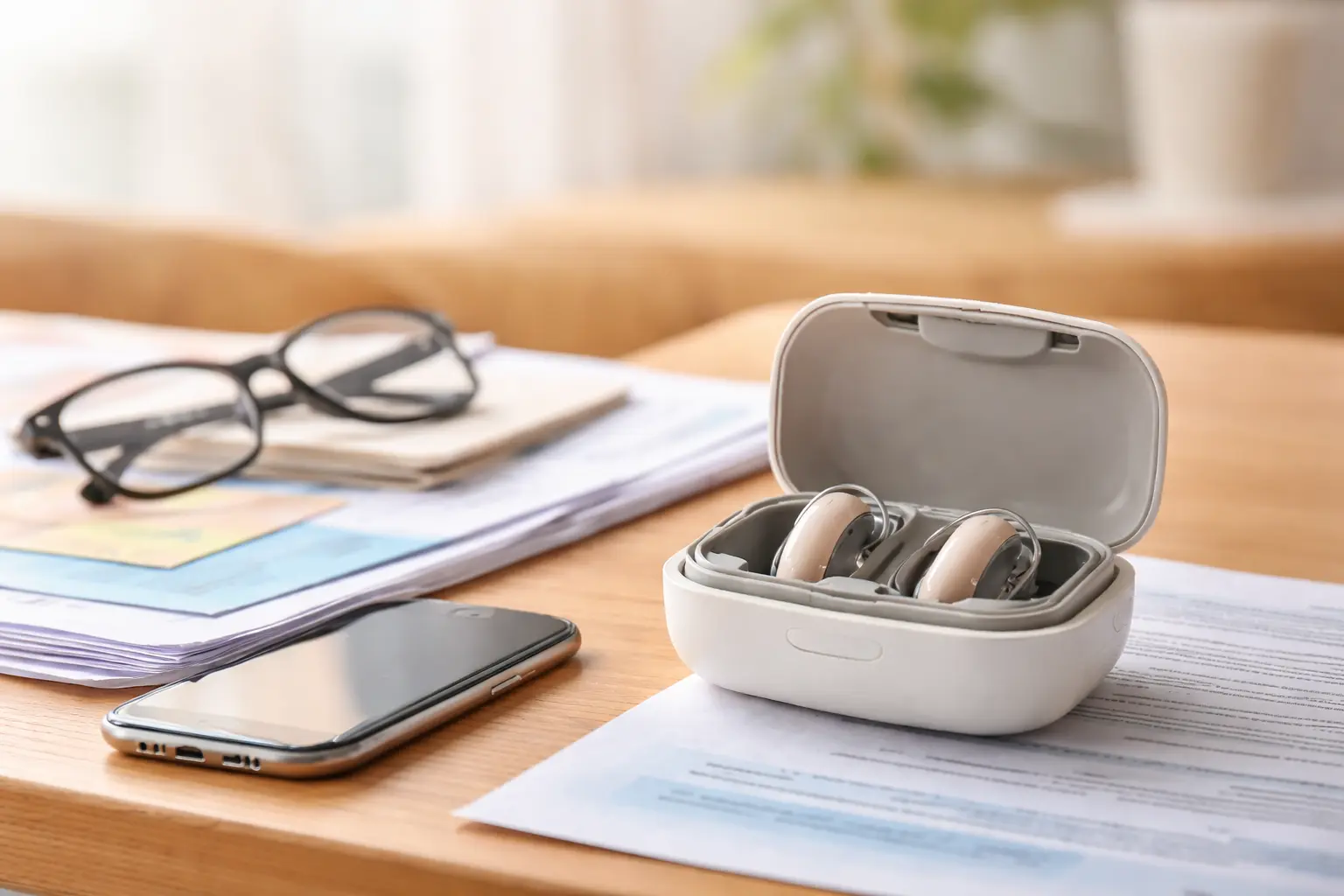
If we’re being very direct: in Canada, you can buy a hearing aid without first taking a hearing test. However, it strongly depends on the type of device, where you buy it, and what you expect to get out of it. This question comes up frequently among people researching hearing aids in Calgary AB, often before they fully understand whether testing is actually required.
Modern hearing devices are no longer just the old “grandma-style” gadgets with constant whistling and feedback. The market has changed dramatically – and so have the rules.
Why does everyone talk about hearing tests anyway?
A hearing test isn’t a formality and it’s not a sales trick. Its purpose is actually quite simple:
- to determine whether there is hearing loss at all
- to understand which frequencies are affected
- to see whether one ear or both are involved
- to rule out issues that a hearing aid can’t fix (such as infections or blockages)
Hearing is a delicate system. Buying a device “by guesswork” can lead to:
- amplifying the wrong frequencies
- making speech harder to understand
- fatigue and headaches
- or simply wasting money
That said – and this matters – not everyone needs a full clinical test right at the beginning.
Hearing aids vs. sound amplifiers: what’s the difference?
In Canada, devices generally fall into three broad categories.
- Personal Sound Amplification Products (PSAPs)
These devices:
- are sold without a prescription
- are available online and in electronics stores
- are not officially classified as medical devices
People buy them:
- for very mild hearing difficulties
- for specific situations (TV, conversations, lectures)
- to “test the waters” and see how sound amplification feels
No hearing test is required. Just don’t expect miracles from these devices.
- Over-the-counter (OTC) hearing aids
This is a relatively new and rapidly growing category.
Key features include:
- designed for mild to moderate hearing loss
- sold without mandatory visits to a specialist
- often adjustable through a mobile app
These devices can be purchased without a test, although many manufacturers still recommend at least an online screening instead of full hearing tests in Calgary Alberta clinics.
- Traditional medical hearing aids
This is where things become more serious:
- they are sold through clinics and licensed professionals
- they require a hearing assessment
- they are individually programmed
Legally speaking, there is no absolute ban on buying them without a test, but in practice a licensed hearing clinic in Calgary Alberta simply won’t sell a device without proper diagnostics. And there’s a good reason for that.
Why isn’t there a strict ban in Canada?
Canada tends to favor common sense and balance. Here:
- personal autonomy is respected
- medical procedures aren’t forced without clear necessity
- medical services are still tightly regulated
As a result:
- you can buy a device
- using it correctly without a test is difficult
- insurance coverage is almost impossible without a diagnosis
What about insurance and government programs?
This is an important point many people discover too late. If you’re counting on:
- private insurance
- provincial programs
- support for seniors
then without an official hearing test and a specialist’s report, reimbursement is unlikely. Buying a device without testing usually means paying 100% out of pocket.
When does buying without a test make sense?
There are situations where this approach is reasonable:
- you suspect very mild hearing loss
- you want to see whether amplification helps at all
- your hearing fluctuates due to fatigue or noise exposure
- you’re not sure the issue is actually hearing-related
In these cases, a simple device or an OTC hearing aid can be a low-stress first step – no clinics, no white coats.
When should you not skip the test?
There are clear red flags:
- sudden hearing loss
- ringing or noise in one ear
- pain, pressure, or dizziness
- noticeable asymmetry (one ear hears much worse than the other)
In these situations, buying a device without testing is like treating a toothache with painkillers while ignoring the cavity.
The main takeaway
Yes, in Canada you can buy a hearing aid without a hearing test. It’s legal, accessible, and sometimes even sensible. But:
- without diagnostics, choosing the right device is difficult
- without testing, there’s no personalized adjustment
- without a professional report, there’s no reimbursement
The most reasonable question isn’t “can I or can’t I?”—it’s “why, and for what purpose?” Sometimes the right move is to start simple. Sometimes it’s better to get to the root of the problem right away. And sometimes it’s just time to stop pretending that “everyone else is mumbling.” Hearing isn’t a weakness, and it’s not about age. It’s about quality of life.